
GROUP DESCRIPTION
The Transcriptomics of Development and Evolution Lab (aka TransDEvo Lab or Irimia Lab) is based at the PRBB (Barcelona Biomedical Research Park) in Barcelona. It is part of the MELIS department of the Universitat Pompeu Fabra (UPF), with dual affiliation with the Centre for Genomic Regulation (CRG). We are also part of the CRG-UPF Joint Program on Evolutionary Medical Genomics (EvoMG Program). The PI of the TransDEvo Lab is Manuel Irimia, who is an ICREA Research Professor since 2018.


GROUP OBJECTIVES
Our research is centered on two major questions:
How does a single genome sequence encode the information to build the enormous complexity of cell types and structures of an adult organism?
How are changes in this sequence translated into morphological novelties during evolution?
We approach these topics focusing on cell and tissue type specific transcriptomes:
How are they encoded in the genome?
How are they generated during embryogenesis?
How do they impact cell function in adult organisms?
How do they evolve and how they impact evolution?
What are their pathological implications?
To answer these questions, we not only study transcriptional regulation, but also other mechanisms that expand transcriptomic diversity, such as alternative splicing and gene duplication.
RESEARCH GROUP MEMBERS
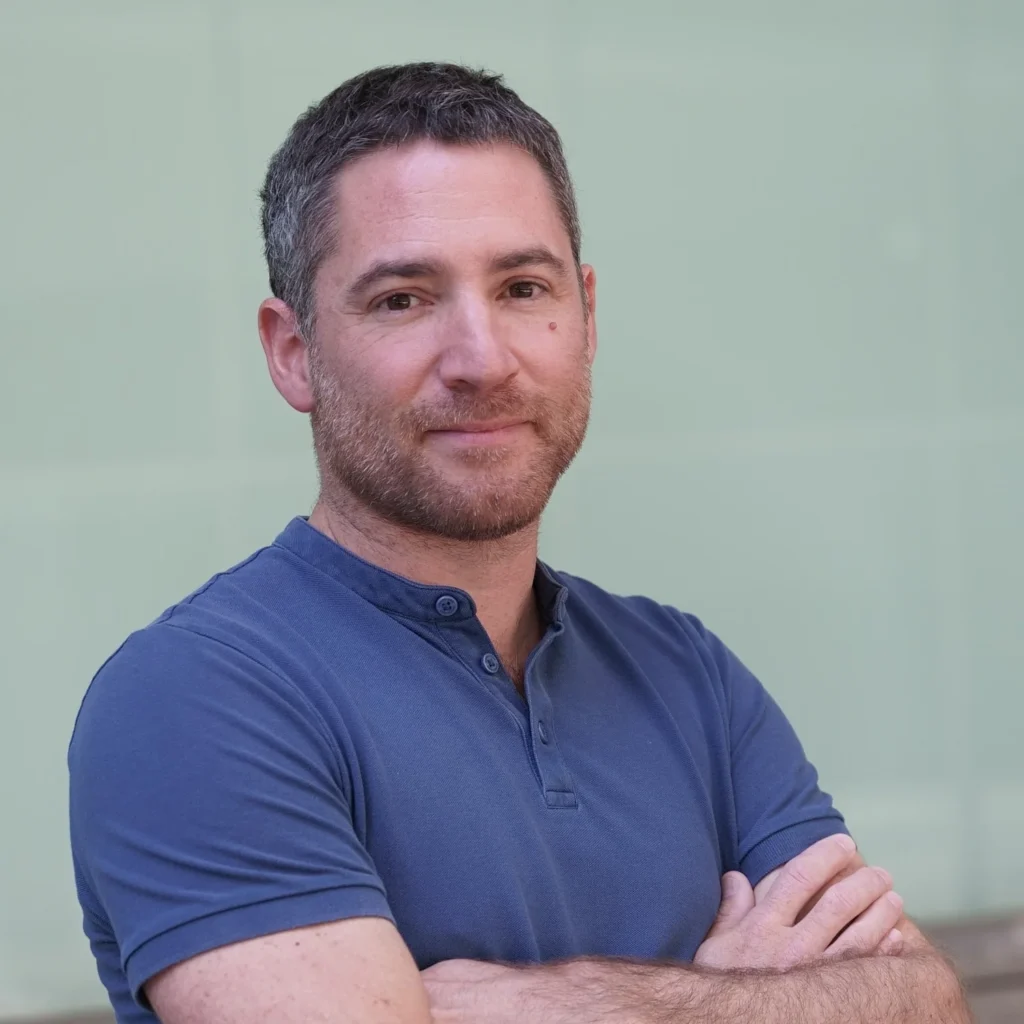
Manuel Irimia studied Biology and Genetics at the UCM in Madrid and completed his PhD at the Universitat de Barcelona, focusing on regulatory genomic changes linked to the origin of vertebrates. After postdoctoral work at Stanford University and the University of Toronto, his research has focused on transcriptomics, development, evolution, alternative splicing, microexons and Evolutionary Medical Genomics.
Links:
Bluesky: https://bsky.app/profile/mirimiam.bsky.social
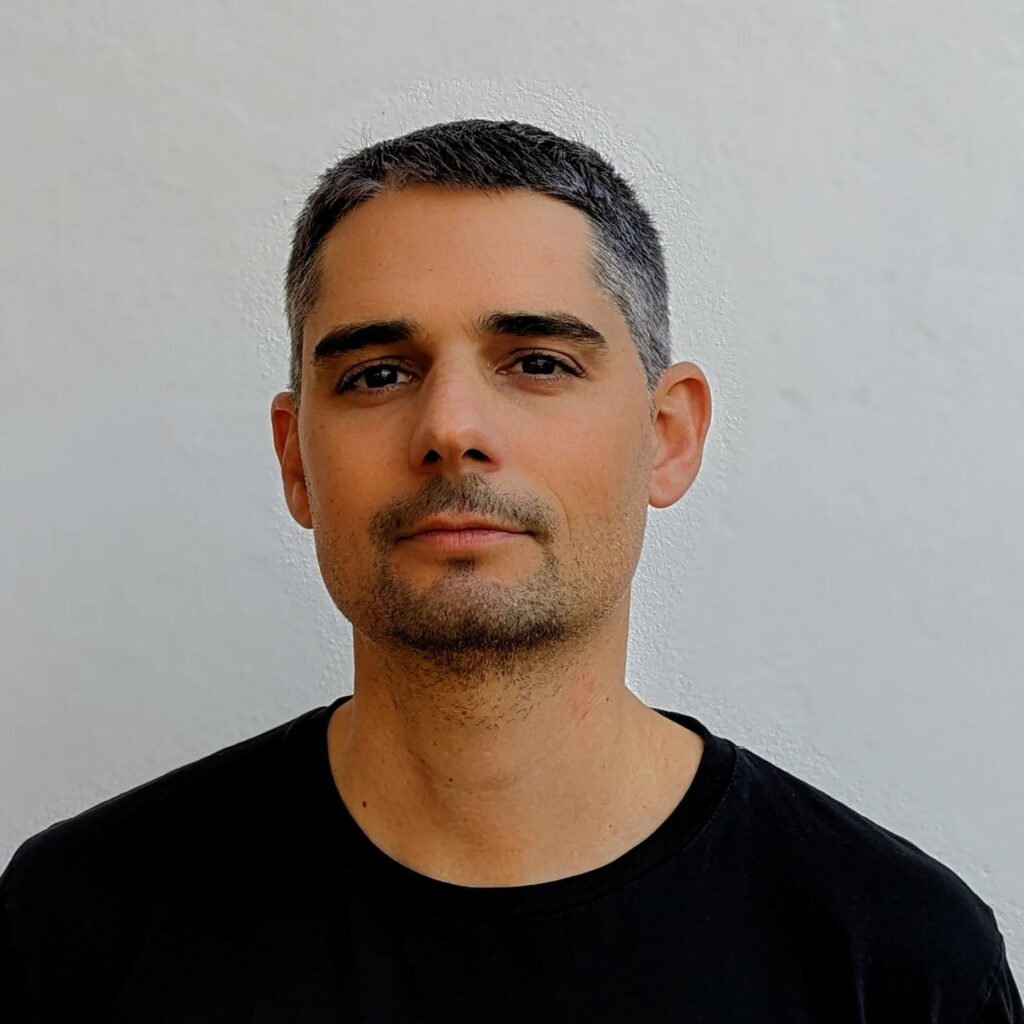
Jonas Juan-Mateu studied Biology at the UB and completed his PhD in Genetics at Hospital Sant Pau in Barcelona, where he worked on the mutational landscape of muscular dystrophies. His current work focuses on alternative splicing, especially microexons, in pancreatic islets, hormone secretion, islet-cell physiology and diabetes-related therapeutic strategies.
Links:
Twitter/X: https://twitter.com/jonas_mateu

John Chamberlin is a bioinformatician with a background in microbiology, statistics and toxicology. He completed his PhD at the University of Utah, working on technical aspects of single-cell RNA-seq analysis. In the Sebe-Pedros and Irimia labs, he uses comparative approaches to study the evolution and regulation of transcriptional processing mechanisms.
Links:
Bluesky: https://bsky.app/profile/jchamberlin.bsky.social
Position: Postdoc
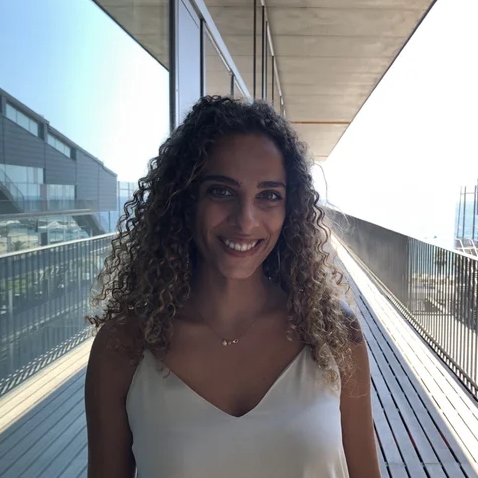
Ludo Ciampi graduated in Biotechnology at the University of Napoli and later moved to the CRG for his PhD, where he studied photoreceptors and sensory cells from a transcriptomic and alternative splicing perspective. His current work combines experimental and computational approaches to study splicing mutations in retinal diseases and sensory cell signatures across species.
Links:
Bluesky: https://bsky.app/profile/cludo.bsky.social
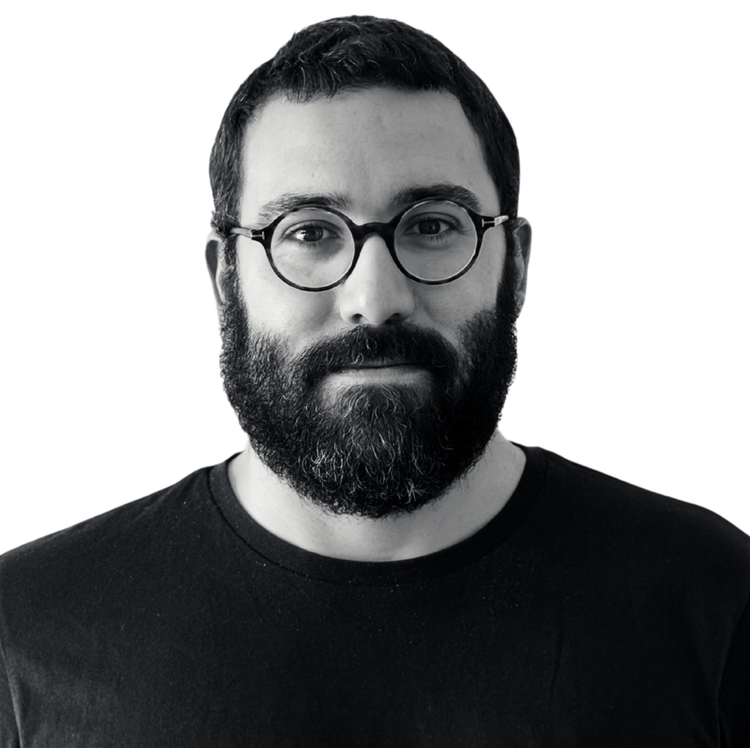
Jordi Fernández-Albert completed his PhD at the CSIC Institute of Neuroscience of Alicante, studying epigenetic and transcriptional regulation of memory formation. After postdoctoral work at Stanford University in neurogenomics and single-cell multi-omics, he joined the Irimia Lab to study the genomic and regulatory basis of the origin of cell types in metazoans, particularly vertebrates.
Links:
Twitter/X: https://twitter.com/jordifernalbert

Antonio Jesús Montero Hidalgo is a biochemist interested in how cells respond to their cellular and metabolic environment. After completing his PhD in biomedicine, focused on RNA metabolism and splicing in prostate and bladder cancer, he joined the Irimia Lab to study the pathophysiological role of tissue-specific microexons and their regulators, especially in diabetes.
Links:
Bluesky: https://bsky.app/profile/amontero96.bsky.social
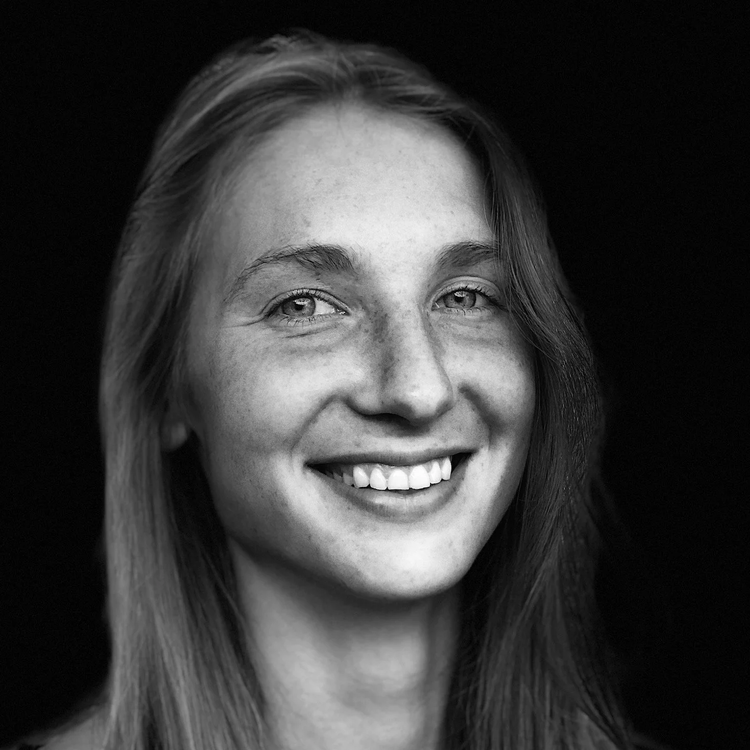
Zane Kliesmete is an evolutionary biologist and statistician interested in how evolutionary constraints act across regulatory layers while allowing phenotypic diversity across species. Her work has focused on molecular evolution underlying cerebral cortex variation across mammals and on alternative splicing using single-cell long-read data from mammalian brains.
Links:
LinkedIn: https://www.linkedin.com/in/zane-kliesmete-a5711a295/

Vasilis Papadogiannis is a biologist interested in how vertebrate genomes have evolved to shape embryonic development. His current project focuses on Conserved Non-Coding Elements, ancient genomic regions involved in the regulation of key developmental genes, aiming to map their gene contacts and understand their function and evolution.
Links:
Bluesky: https://bsky.app/profile/vpapadog.bsky.social

Position: Postdoc
Francisco Porcel Pastrana is a biotechnologist interested in how new technologies and methodologies can improve our understanding of biology. His current work investigates how alternative splicing programs regulate the functional maturation of stem cell-derived pancreatic beta cells, using long-read single-cell RNA-seq approaches with potential relevance for Type 1 Diabetes therapies.
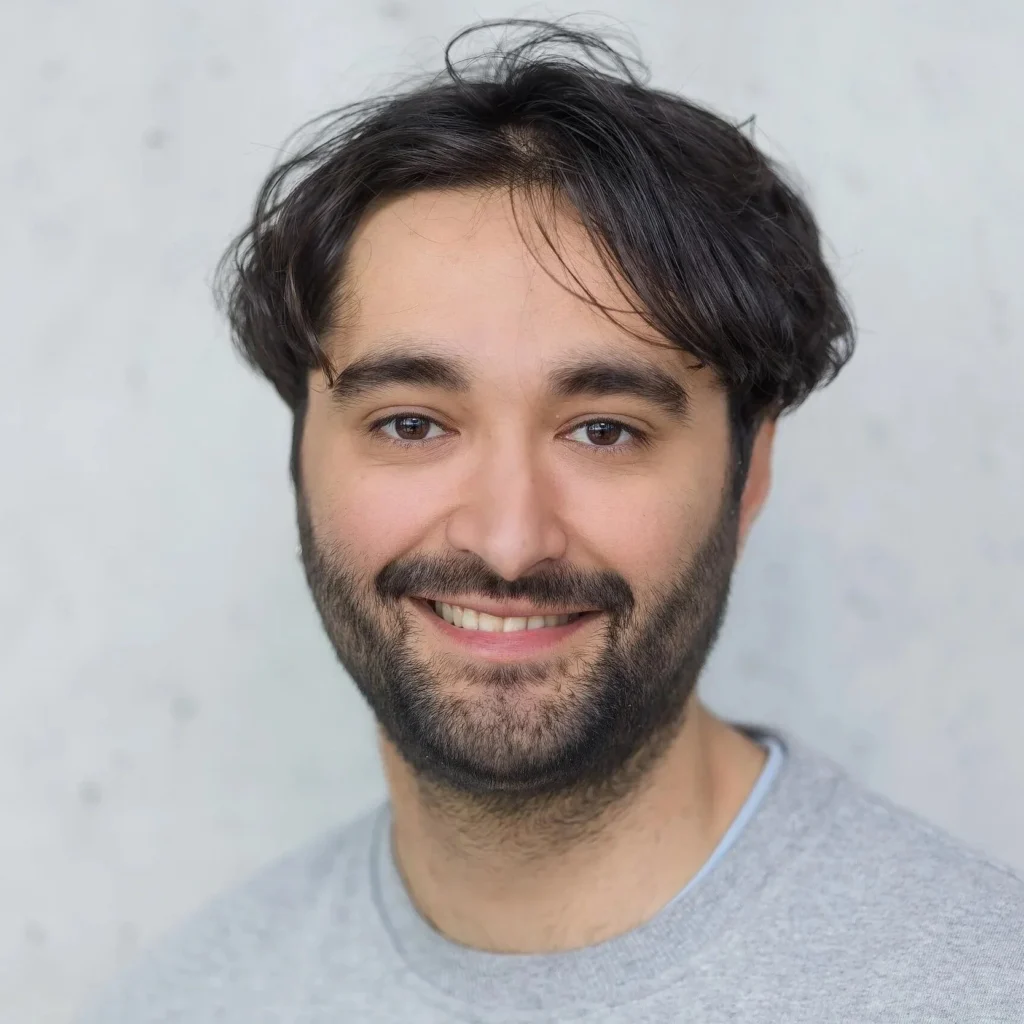
Elmir Mahammadov completed a master’s degree in Bioinformatics at the University of Copenhagen and a PhD at Helmholtz Munich, where he studied cellular heterogeneity in pluripotent stem cells using single-cell transcriptomics. His current work focuses on spatially regulated alternative splicing as another layer of cellular heterogeneity.

Sera Beletskaya graduated in Liberal Arts and Sciences at the University of Amsterdam, majoring in neurobiology. She later completed a master’s degree in Bioinformatics at the UAB and worked on cell-type-specific binding mechanisms of bHLH transcription factors. Her PhD focuses on the transcriptomic logic that shapes cell-type-specific morphologies and functions.
Links:
LinkedIn: https://www.linkedin.com/in/sera-beletskaya-278278269/
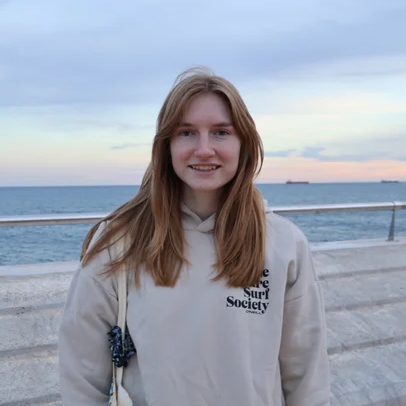
Stefanie Brüggemann studied Environmental Monitoring and Forensic Chemistry before completing a master’s degree in Molecular Cell Biology at Bielefeld University, where she worked on miRNA regulation in plants. As a PhD student co-supervised by Manuel Irimia and Nicolás Bologna, she studies small RNA-based regulatory networks.
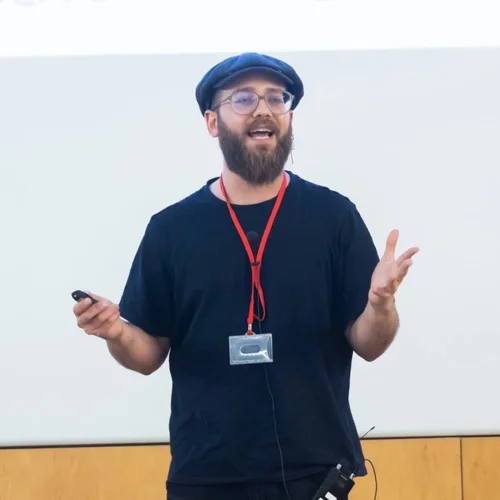
Israel Campo Bes studied Biology at the University of Valencia and later completed a master’s degree in Evolutionary Biology. His previous work included the genetics and evolution of colour polymorphism in stick insects and toxin-antidote systems in nematodes. His PhD focuses on zygotic genome activation in animals from an evolutionary perspective.
Links:
Bluesky: https://bsky.app/profile/campobes.bsky.social
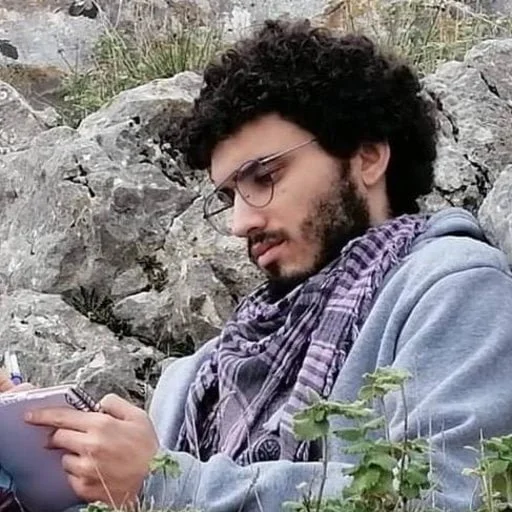
Manu Fernández Moreno studied Biology and Molecular Genetics at the University of Seville. His PhD, supervised by Manuel Irimia and Ignacio Maeso, focuses on the domestication of retroviral capsids for neural functions, with particular attention to ARC genes in tetrapods and dipterans.
Links:
Bluesky: https://bsky.app/profile/biomanu1998.bsky.social
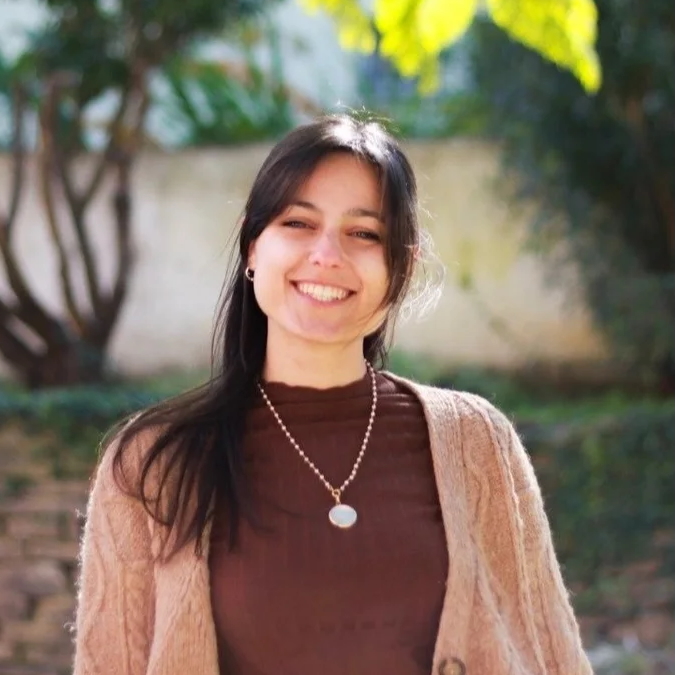
Renata Cunha studied Medicinal Biotechnology in Porto and completed a master’s degree in Tropical Health in Lisbon, working on hepatitis and SARS-CoV-2. After experience as a technician in zebrafish retina development and tissue morphogenesis, her PhD focuses on the role and conservation of pancreas microexons in pancreatic development.
Links:
Bluesky: https://bsky.app/profile/renatabcunha.bsky.social
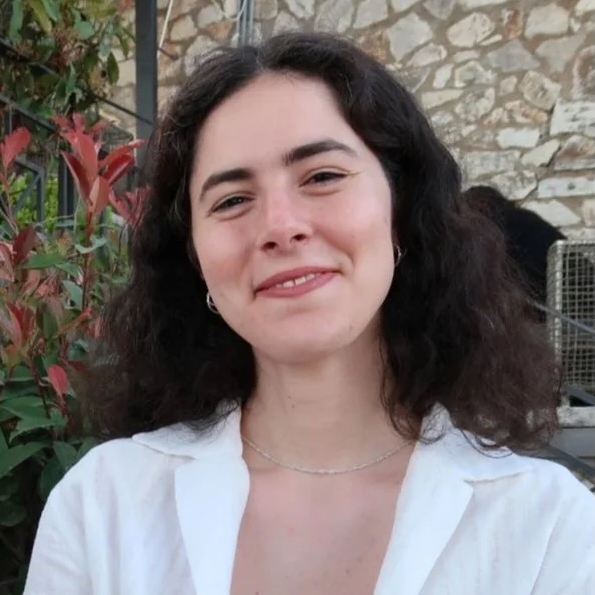
Liana Penteskoufi studied Biology at the University of Patras and completed a master’s degree in Molecular Biosciences at Heidelberg University. Her PhD in the Irimia Lab focuses on how cell-type-specific genetic modules influence the developmental and evolutionary origin of pancreatic beta cells in vertebrates.
Links:
Bluesky: https://bsky.app/profile/penteskoufi.bsky.social
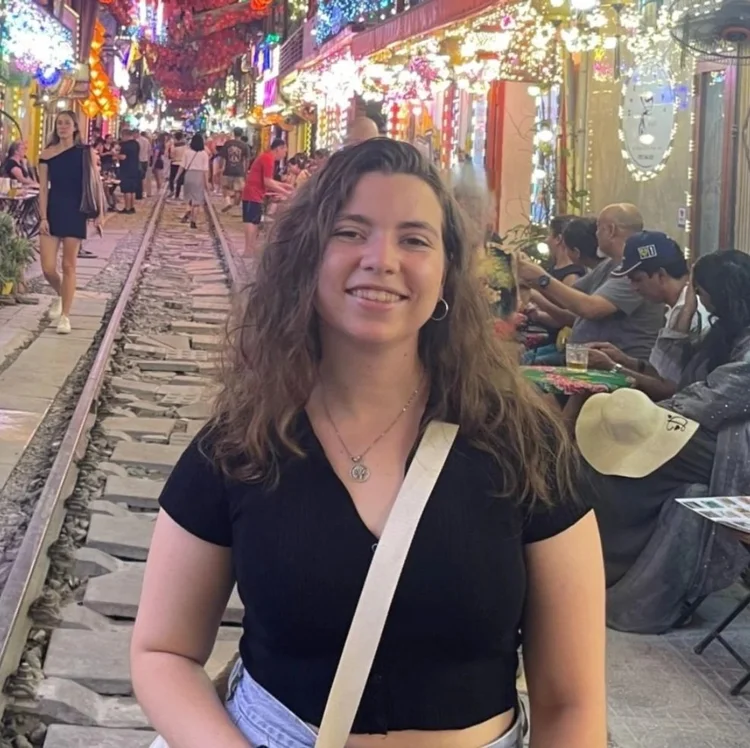
Ana Vargas studied Biotechnology and Life Sciences through a collaboration between Pablo de Olavide University and Rennes University. She later completed an MSc in Bioinformatics at the Autonomous University of Barcelona. Her work studies gene expression changes caused by Chikungunya virus infection in mosquito and human organisms.
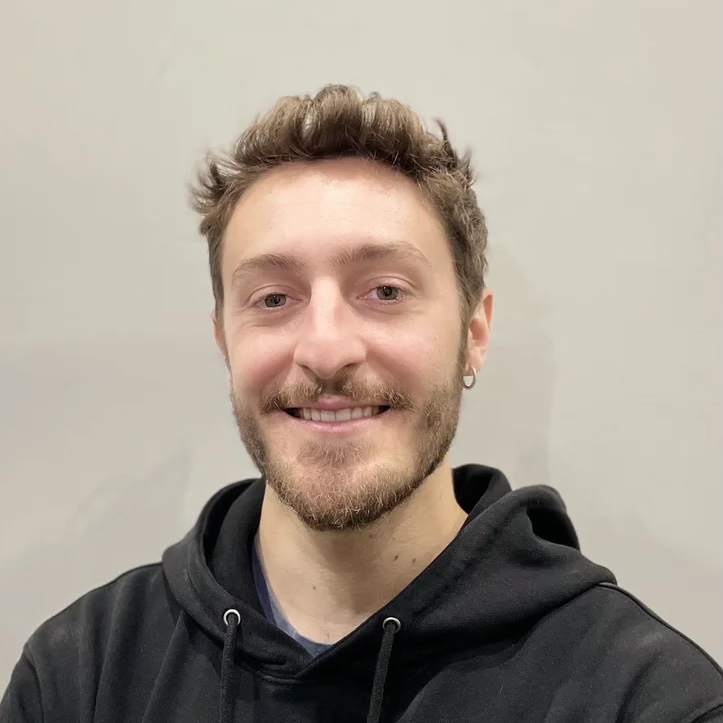
Matteo Zambon holds a bachelor’s degree in Physics and a master’s degree in Physics of Complex Systems from the University of Torino. After working on single-cell gene expression profiles of embryonic organoids at Helmholtz Munich, he joined the CRG for his PhD, focused on transcriptomic and evolutionary information in personalized medicine and medical genomics.
Links:
LinkedIn: https://www.linkedin.com/in/matteo-zambon-93a87423a/
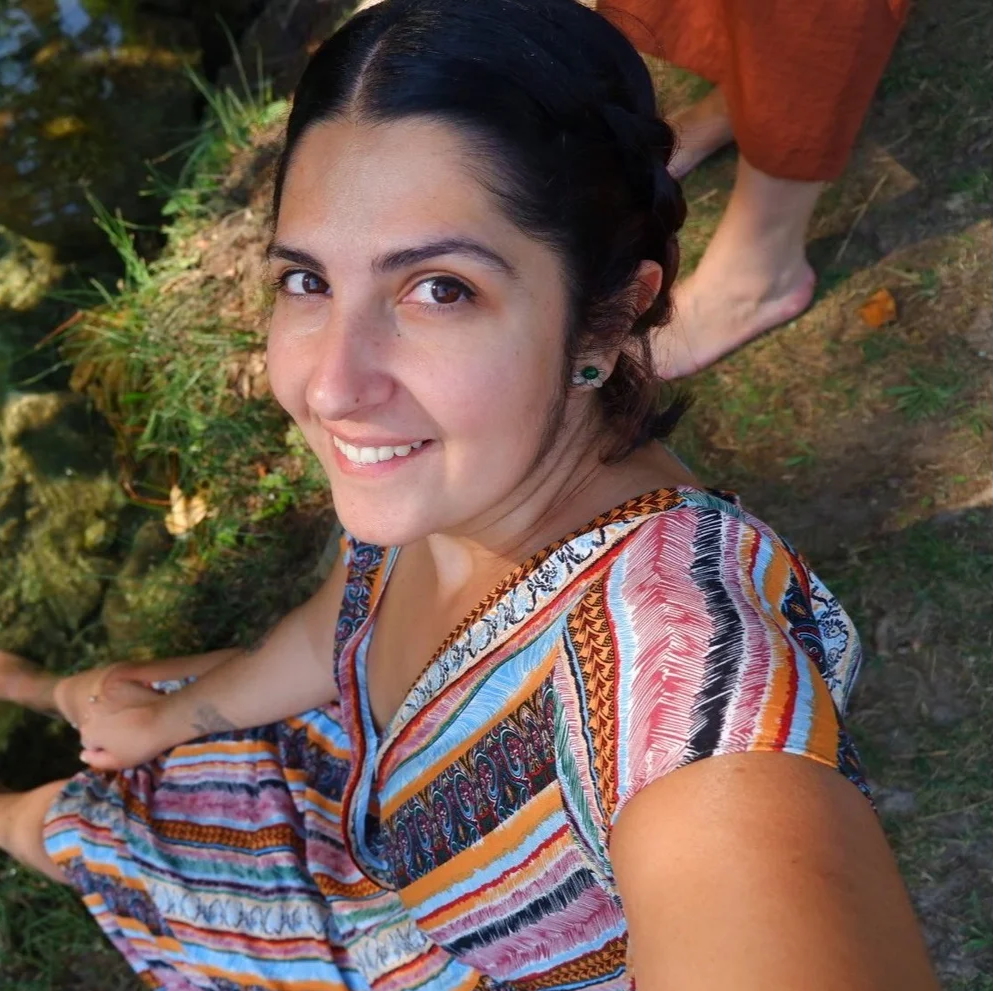
Cristina Rodriguez Marin studied Systems Biology Engineering at the UPC, where she began working with zebrafish. She later completed a master’s degree in Molecular Biotechnology, studying pancreas microexons in zebrafish. She is currently Lab Manager, supporting the group’s research activity and experimental work.
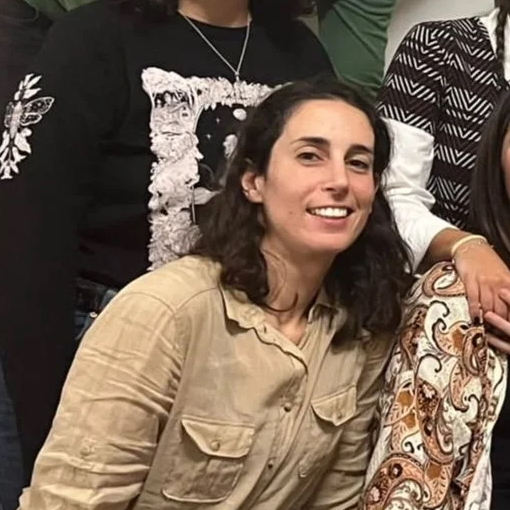
Marta Miret Cuesta studied Biotechnology at the UAB. Her main interests are transgenic technologies, and she worked for several years in a transgenic facility at the NIMR/The Francis Crick Institute. Since joining the lab in 2017, she has applied her technical expertise to support multiple research projects.
Links:
LinkedIn: https://www.linkedin.com/in/marta-miret-cuesta-009bb324
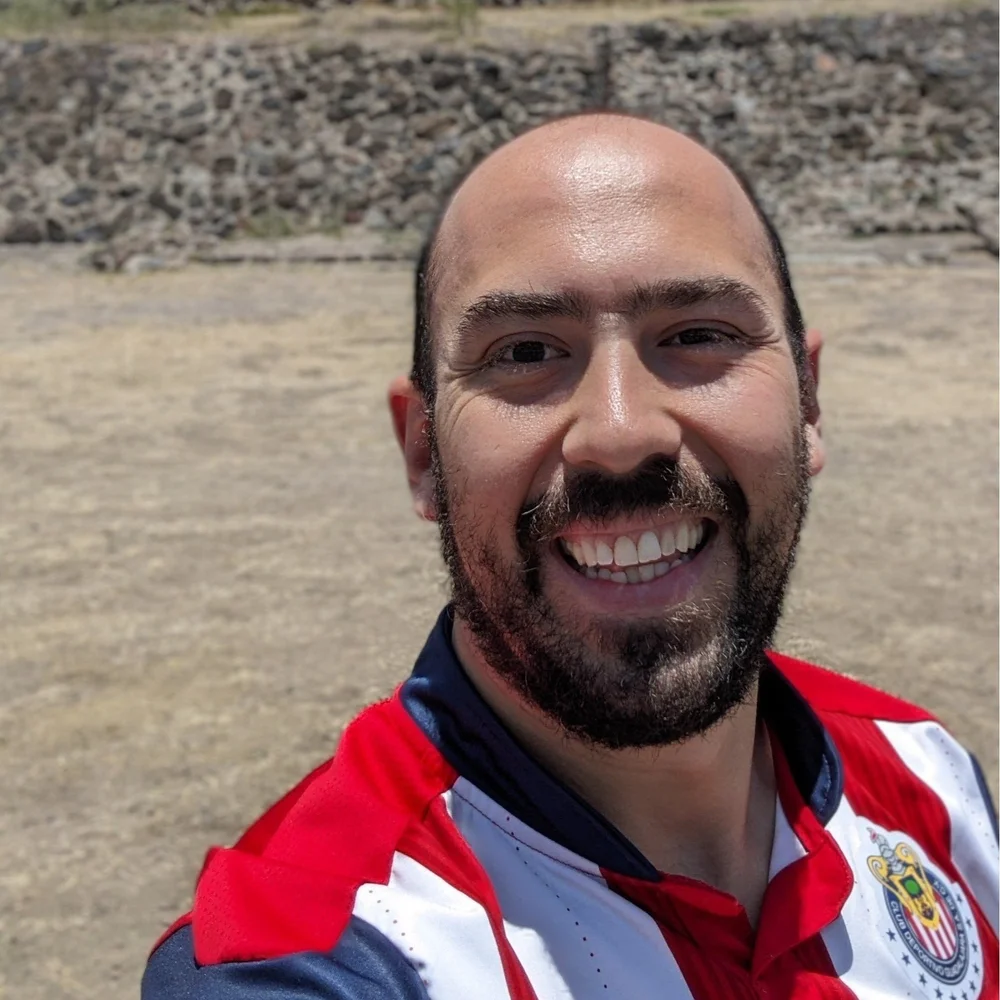
Luis Iñiguez Rabago is a bioinformatician specialising in RNA biology. He completed his PhD at UNAM in Mexico, working on alternative splicing and its evolution in legumes. He has also worked on human endogenous retrovirus expression in cancer and viral infections, and contributes to data analysis and visualisation across several lab projects.
Links:
Bluesky: https://bsky.app/profile/luispiniguez.bsky.social
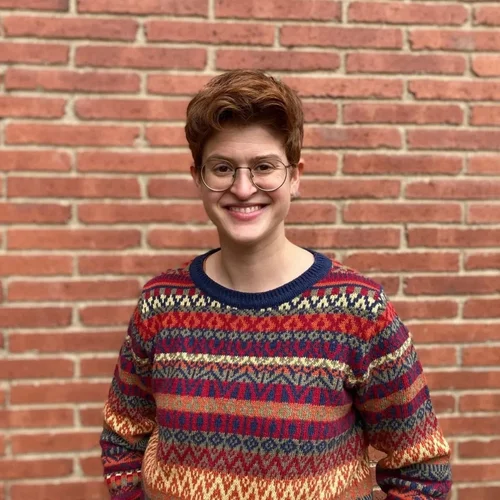
Irene Zapata Bódalo studied Genetics and Neuroscience in Barcelona and completed a PhD on senescence at IGBMC Strasbourg. After working with RNA-seq analysis during her thesis, she specialised in bioinformatics and biostatistics. In the lab, she works on computational approaches related to alternative splicing and VastDB.
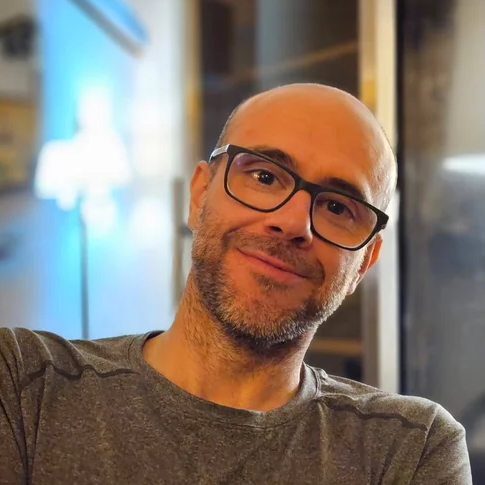
Miguel Torres-Martin completed his PhD in transcriptomics of nervous system tumours at La Paz University Hospital. He later worked at the University of Michigan, the University of Miami and Mount Sinai Hospital in New York, focusing on epigenetics, transcriptomics and cancer mutations. More recently, he worked as a bioinformatician in the Genetics Department at Germans Trias i Pujol Hospital.
RESEARCH LINES
Functional impact of microexons in neurons and sensory cells
Functional impact of microexons in endocrine pancreas
Assembly and evolution of cell-type specific gene modules
Evolution of tissue-specific transcriptomes across bilaterians
Evolution of zygotic genome activation across metazoans
Evolution of microsynteny and CNEs across vertebrates
Evolutionary Medical Genomics (EvoMG)

PUBLICATIONS
- Core splicing architecture and early spliceosomal recognition determine microexon sensitivity to SRRM3/4. Bonnal, S., Bajew, S., Martinez-Corral, R., and Irimia, M. (2025). Nature Structural & Molecular Biology, 32(10), 2022–2034.
- A Highly Conserved Neuronal Microexon in DAAM1 Controls Actin Dynamics, RHOA/ROCK Signaling, and Memory Formation. Poliński, P., Miret Cuesta, M., Zamora-Moratalla, A., Mantica, F., Cantero-Recasens, G., Viana, C., … Irimia, M. (2025). Nature Communications, 16 (1): 4210.
- Phenotypic impact of individual conserved neuronal microexons and their master regulators in zebrafish. Lopez-Blanch, L., Rodríguez-Marin, C., Mantica, F., Iñiguez, L. P., Permanyer, J., Kita, E. M., Mackensen, T., Codina-Tobias, M., Romero-Ferrero, F., Fernandez-Albert, J., Cuadrado, M., Bustelo, X. R., de Polavieja, G. G., Irimia, M. (2025). eLife 13:RP104275.
- Evolution of tissue-specific expression of ancestral genes across vertebrates and insects. Mantica, F., Iñiguez, L. P., Marquez, Y., Permanyer, J., Torres-Mendez, A., Cruz, J., Franch-Marro, X., Tulenko, F., Burguera, D., Bertrand, S., Doyle, T., Nouzova, M., Currie, P. D., Noriega, F. G., Escriva, H., Arnone, M. I., Albertin, C. B., Wotton, K. R., Almudi, I., … Irimia, M. (2024). NatureEcology & Evolution. https://doi.org/10.1038/s41559-024-02398-5
- Alternative splicing decouples local from global PRC2 activity. Arecco, N., Mocavini, I., Blanco, E., Ballaré, C., Libman, E., Bonnal, S., Irimia, M., & Di Croce, L. (2024). Molecular Cell, 84(6), 1049–1061.e8.
- Pancreatic microexons regulate islet function and glucose homeostasis. Juan-Mateu, J., Bajew, S., Miret-Cuesta, M., Íñiguez, L. P., Lopez-Pascual, A., Bonnal, S., Atla, G., Bonàs-Guarch, S., Ferrer, J., Valcárcel, J., & Irimia, M. (2023). Nature Metabolism, 5(2), 219–236.
- Specialization of the photoreceptor transcriptome by Srrm3-dependent microexons is required for outer segment maintenance and vision.Ciampi, L., Mantica, F., López-Blanch, L., Permanyer, J., Rodriguez-Marín, C., Zang, J., Cianferoni, D., Jiménez-Delgado, S., Bonnal, S., Miravet-Verde, S., Ruprecht, V., Neuhauss, S. C. F., Banfi, S., Carrella, S., Serrano, L., Head, S. A., & Irimia, M. (2022). PNAS, 119(29), e2117090119.
- The X-linked splicing regulator MBNL3 has been co-opted to restrict placental growth in eutherians.Spruce, T., Plass, M., Gohr, A., Ray, D., Martínez de Lagrán, M., Rot, G., Nóvoa, A., Burguera, D., Permanyer, J., Miret, M., Zheng, H., Swanson, M. S., Morris, Q., Mallo, M., Dierssen, M., Hughes, T. R., Pernaute, B., & Irimia, M. (2022). PLoS Biology, 20(4), e3001615.
- A developmentally programmed splicing failure contributes to DNA damage response attenuation during mammalian zygotic genome activation.Wyatt, C. D. R., Pernaute, B., Gohr, A., Miret-Cuesta, M., Goyeneche, L., Rovira, Q., Salzer, M. C., Boke, E., Bogdanovic, O., Bonnal, S., & Irimia, M. (2022). Science Advances, 8(15), eabn4935.
- Parallel evolution of a splicing program controlling neuronal excitability in flies and mammals.Torres-Méndez, A., Pop, S., Bonnal, S., Almudi, I., Avola, A., Roberts, R. J. V., Paolantoni, C., Alcaina-Caro, A., Martín-Anduaga, A., Haussmann, I. U., Morin, V., Casares, F., Soller, M., Kadener, S., Roignant, J.-Y., Prieto-Godino, L., & Irimia, M. (2022). Science Advances, 8(4), eabk0445.
